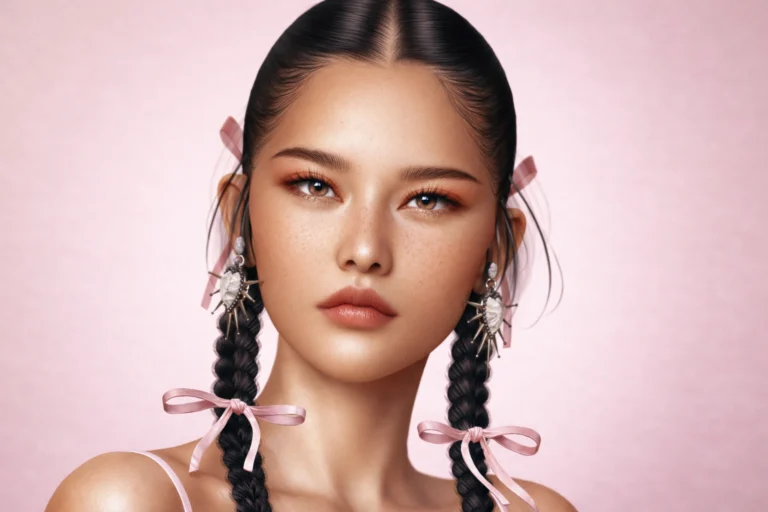

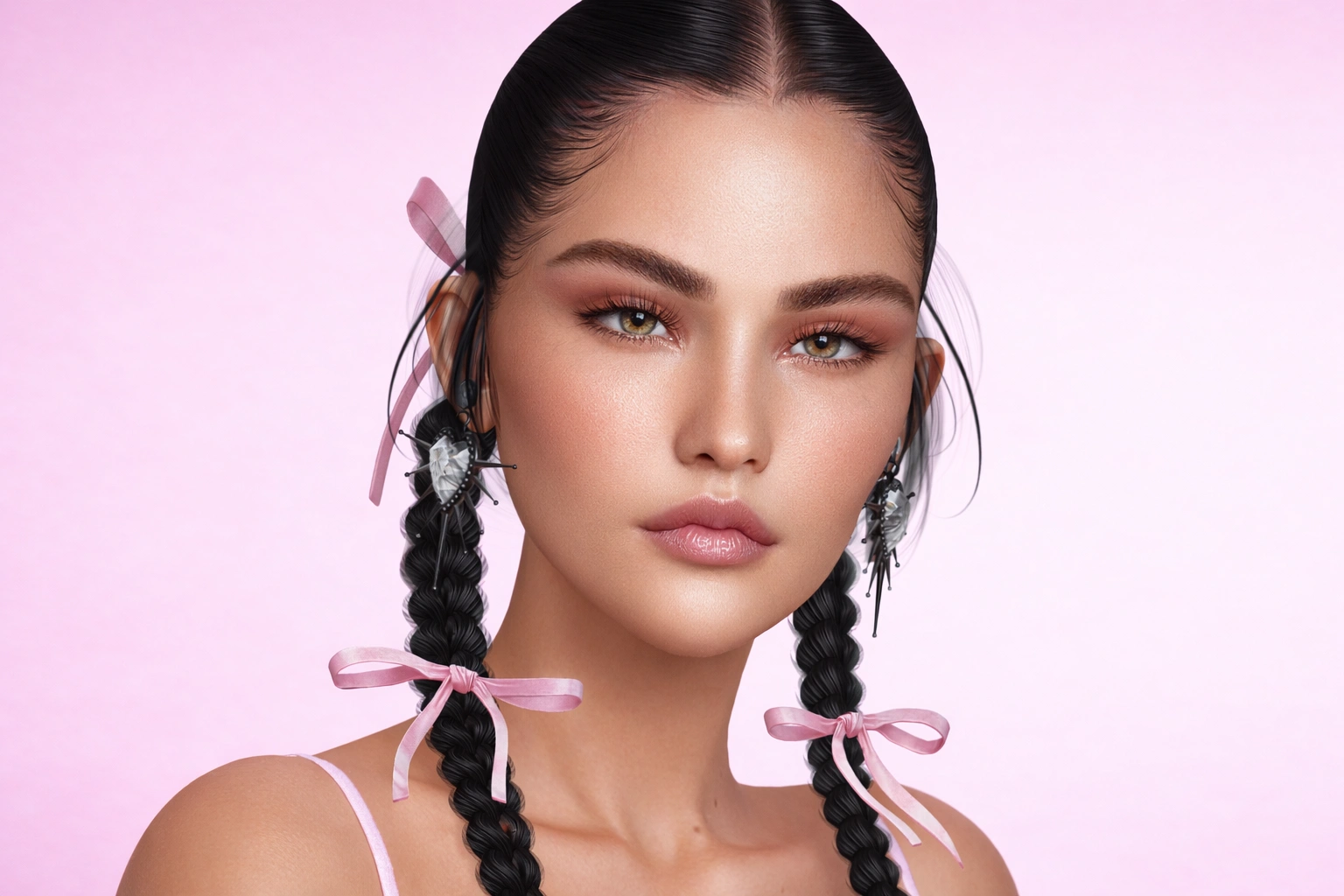
If there’s one thing that can completely change the way an avatar feels in Second Life, it’s skin.
Not just because skin is visible everywhere, but because it sets the tone for the whole avatar. It affects how natural the face looks, how believable the body feels, and whether the final result reads as soft, detailed, polished, or slightly artificial.
And if you spend any time reading what residents actually say in the Second Life community forums, a pattern starts to emerge. People may not agree on one single “best” creator, but certain names come up again and again whenever realism is the goal: Session, Lara Hurley, Pepe Skins, Velour, Pumec, The Skinnery and, for Genus users in particular, creators like Alt3, Gloom and Petrichor.
What makes a skin feel realistic?
To me, realistic does not necessarily mean “the most detailed possible.” It means believable.
A skin can have pores, subtle lines, beautiful shading and still not feel right once you actually wear it. Sometimes a skin is technically impressive, but too sharp, too glossy, too pore-heavy, or simply too “finished” for the avatar you’re trying to build.
That’s also something the community reflects quite often. In forum discussions, people tend to praise skins with visible texture and softness, but not necessarily the ones that push every detail to the maximum. The goal, more often than not, is a skin that still looks convincing in normal in-world lighting, not just in a vendor ad.
Quick rule of thumb
If a skin only looks amazing in the vendor picture, but starts falling apart on your own avatar in ordinary lighting, it probably isn’t the right skin for you.
Don’t confuse excitement with compatibility
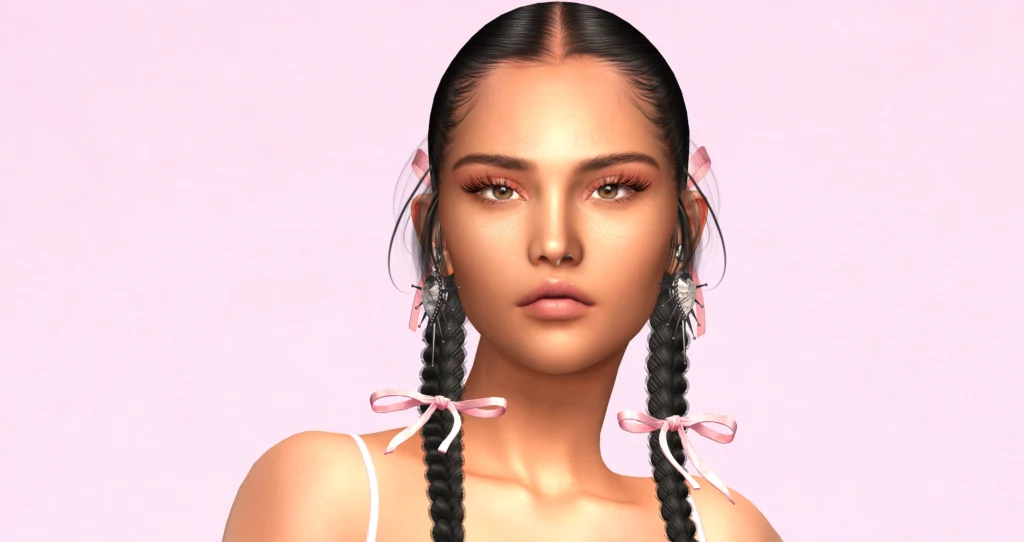
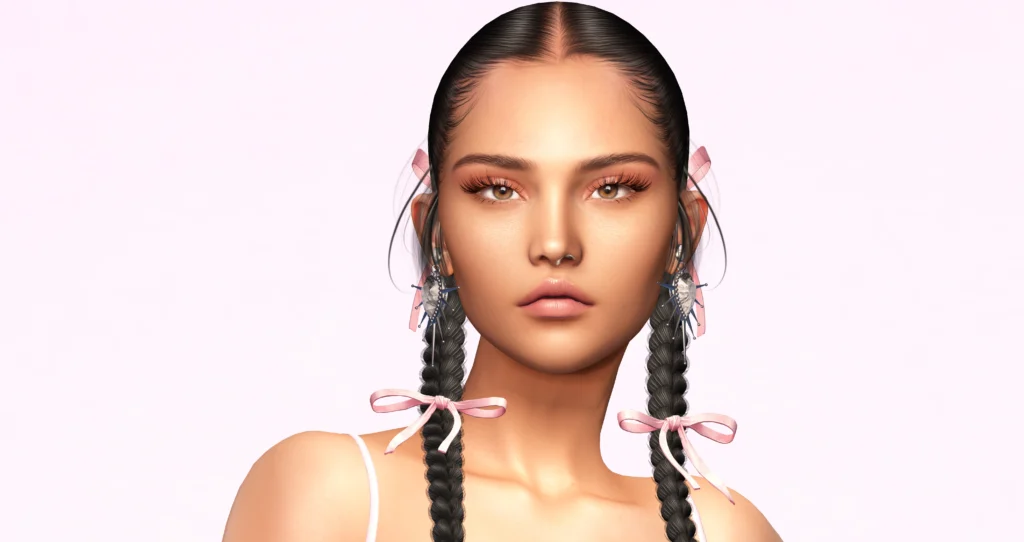
One thing I’ve learned the hard way is that a skin can feel absolutely perfect in the moment and completely wrong a few days later.
I’ve definitely bought skins on impulse because I fell for the mood of the release, the styling, the face, the whole atmosphere around it. In that moment, it feels like this is the one. Then a few days later, once the emotional rush wears off, I look at my avatar again and realize it’s not actually working.
Sometimes the tone feels off. Sometimes the skin looks flatter than I expected. Sometimes it’s beautiful, but it gives my avatar a completely different identity than the one I actually want to build.
That’s probably the biggest lesson I’ve learned with skins in Second Life: a skin can be gorgeous and still not be your skin.
Compatibility matters more than people think
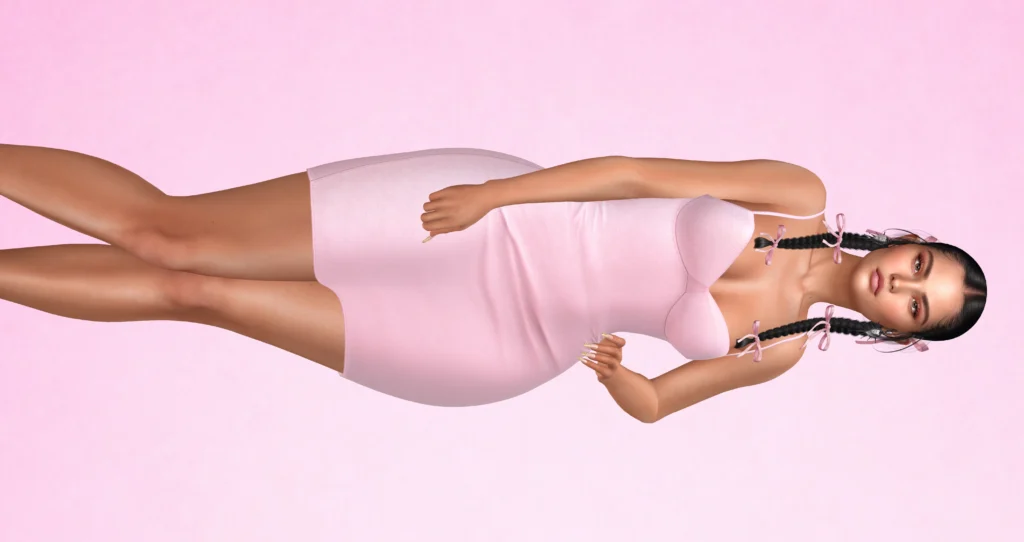
This is probably the least glamorous part of shopping for skins, but it’s one of the most important.
If your head and body don’t work together properly, the illusion breaks very quickly. That’s why so many forum discussions end up circling back to tone systems, neck blending, BOM vs Evo X compatibility, and matching head/body setups. Residents repeatedly point out that many “skin problems” are actually compatibility problems.
So before buying anything, I think it helps to ask three very simple questions:
- Does this skin support my head?
- Does it work with my body?
- Does it still look right once I remove the vendor styling and use my own?
If the answer is uncertain, the demo matters more than the hype.
What I check before buying
- My usual shape
- Neutral lighting
- My own eyes / brows / styling
- Neck match with body
- How it looks after the “new release excitement” is gone
The creators worth demoing first
If I wanted to build a shortlist based not only on ads, but also on what residents actually mention when realism comes up, I’d start there.
For visible texture and more natural-looking flaws, Session, Lara Hurley and Pepe Skins are names that show up repeatedly in forum recommendations. People also mention details from creators like Izzie’s and Mudskin when they want to push realism a little further without making the avatar look overworked.
For broader skin discussions, especially around polish, tones and general wearability, Velour, Pumec and The Skinnery remain part of the conversation. And for Genus users, forum posters often steer each other toward Genus itself, Alt3, Gloom, Pumec and Petrichor.
That doesn’t mean these are automatically the best for everyone. It just means they’re good places to start if realism is the goal.
Realism is not just about detail
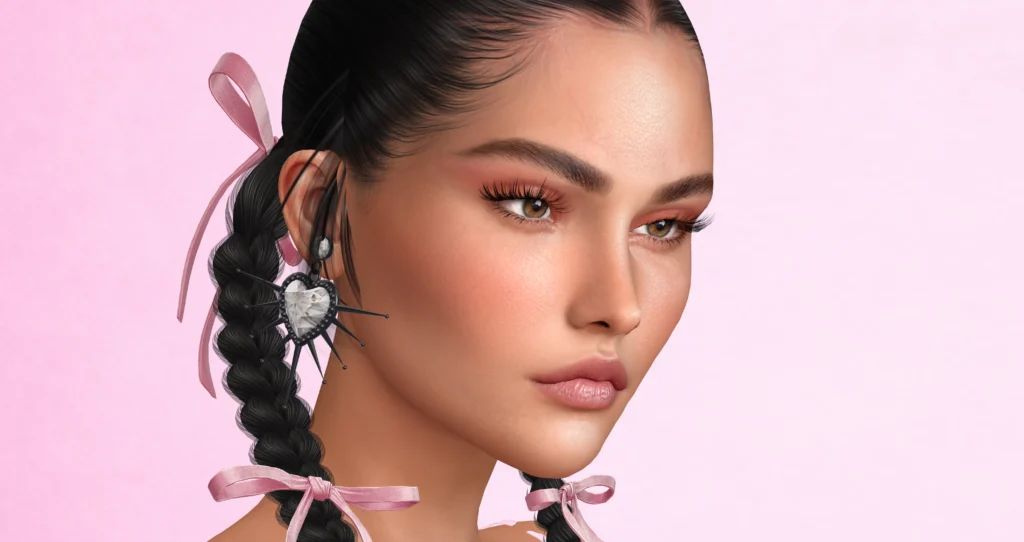
This is where I think a lot of people get trapped.
It’s very easy to assume that more detail automatically means more realism. But in practice, that’s not always true. Some skins are so pore-heavy or so sharply rendered that they stop feeling believable, especially once you add makeup, lighting, materials and everything else on top.
That’s also why realism in Second Life shouldn’t be reduced to one single type of face. Forum discussions around tone range and mature skins show that residents care not only about surface detail, but also about variety: darker tones, better undertones, older-looking faces, and skins that feel lived-in rather than endlessly polished.
The best realistic skin is not necessarily the skin with the most going on. It’s the one that gives your avatar the most believable identity.
My rule now: slow down before buying
These days I try not to buy a skin the moment it excites me.
What I do instead is simple:
- I try the demo on my actual avatar
- I test it in neutral light, not just flattering light
- I wear it for a bit
- and, if possible, I come back to it the next day
That last step helps more than people think.
The strongest first impression is not always the best long-term choice. Sometimes the skin that feels slightly less dramatic at first ends up being much more convincing, much more wearable, and much more “you” in the long run.
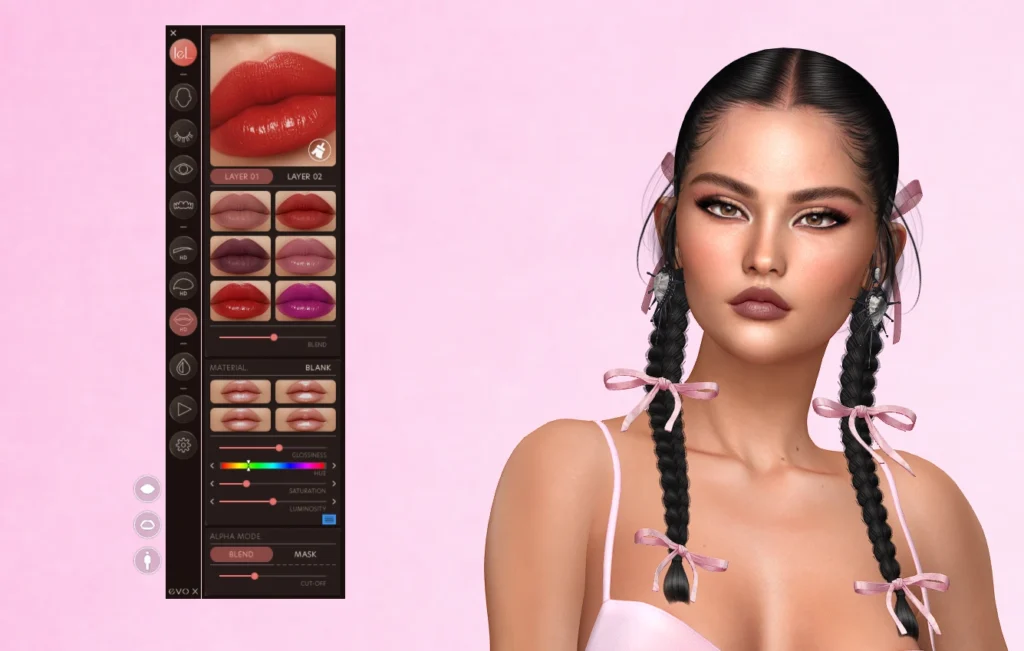
Final thoughts
If I had to reduce all of this to one piece of advice, it would be this: don’t judge a skin by the emotional impact of the vendor alone.
That reaction is real, and sometimes it does lead to great finds. But it can also make us buy a skin for the fantasy around it rather than for the avatar we’re actually building.
The best realistic skin in Second Life is rarely the one that gives the biggest instant rush. More often, it’s the one that still feels right after the excitement is gone.
Brands and Resources Referenced in This Article
All images are original in-world snapshots created by Avatar Studio unless otherwise stated. Avatar Studio is an independent editorial site and is not affiliated with Linden Lab or the featured brands.